
 Power systems expertise
Power is the starting point.
Energy is the foundation under every PowerFirst route. Generation or grid supply, electrical distribution, cooling and connectivity are assessed together, designed around the load.
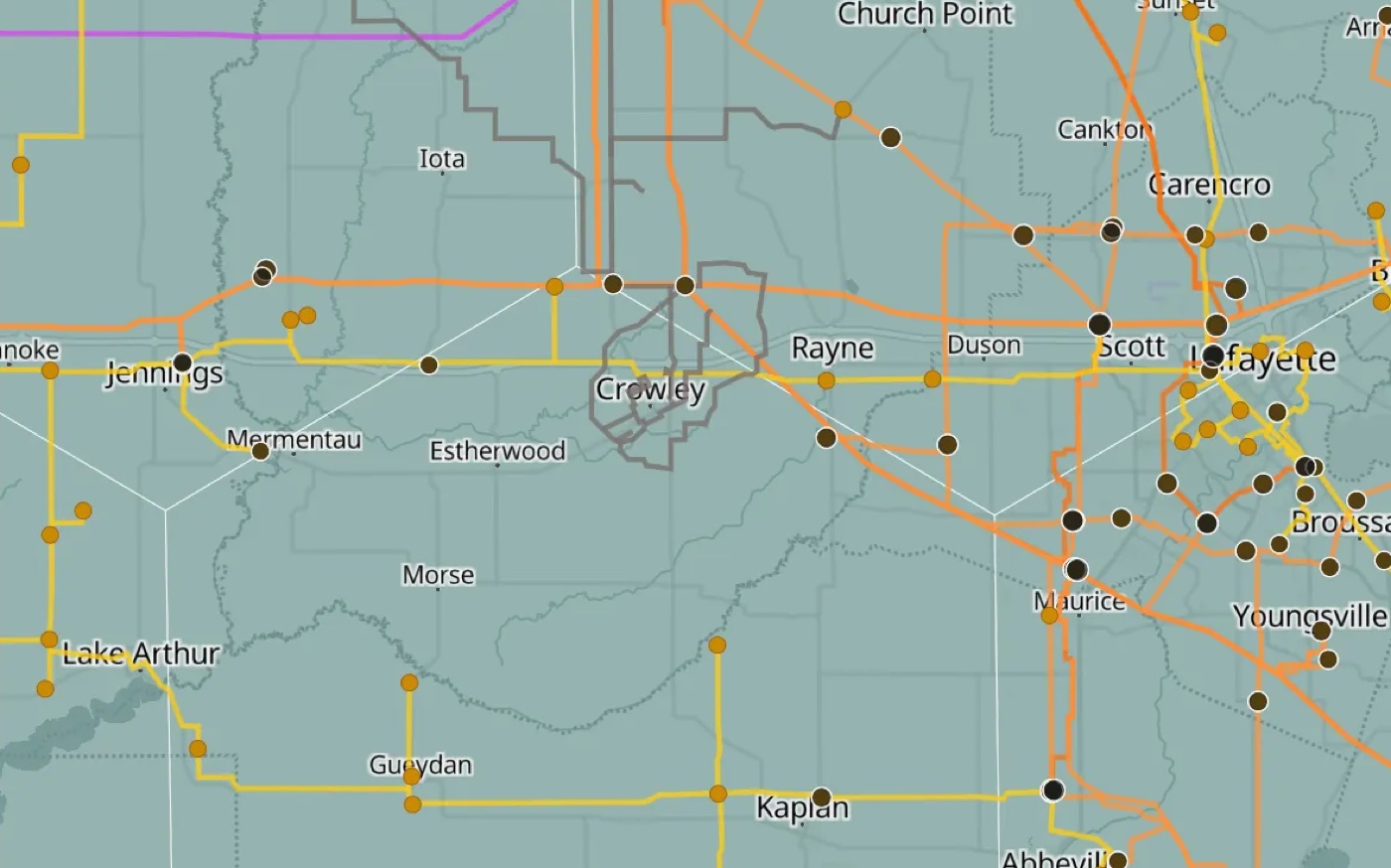 Illustrative example · index of 6 Oct 2026
Understand the interface.
Evaluate connection terms, available capacity, network constraints and the role of grid supply in the wider design. Ask what grid a site is on, which utilities serve it, and the months to power with the chance by date.
Development decisions informed by experience of building, owning and operating energy assets.
- 01Power close to demand.
Assess on-site and behind-the-meter generation against fuel supply, permissions, operating duty and service requirements.
- 02Understand the interface.
Evaluate connection terms, available capacity, network constraints and the role of grid supply in the wider design.
- 03Align power with the phase.
Consider staged generation and electrical infrastructure alongside the customer load and future development plan.
- 04Assess the complete system.
Consider fuel use, conversion performance and electrical losses under the expected duty cycle.
- 05Make useful heat part of the design.
Evaluate heat recovery and adjacent thermal or cooling requirements where technically and commercially viable.
- 06Design for continuity.
Assess redundancy, maintainability, controls and the consequences of equipment outages.
- 07Match ambition with support.
Review technology maturity, equipment availability, commissioning and long-term service provision.
Technology selection is project-specific and subject to engineering validation, supplier diligence and approvals.
Start with the power requirement.
Discuss a generation project, an energy resource or a technology partnership.